
The Manitoba Social: A Community Tradition
The Manitoba Social is a unique phenomenon in North America. Since the 1800s, small communities gathered together to raise funds for newlyweds, or for people in distress. Springing from a combination of the old barn dance and building or cooking bees, people gathered together to both celebrate and assist each other.
The tradition of “bees” involved groups getting together for a specific undertaking. Some were cooking bees, where housewives cooked baked goods, prepared jams and preserves, pickled or smoked game or domestic animals for the fall or quilted blankets for the winter. Others were building bees, where the men gathered to build barns, churches, community centres or homes, sometimes to replace ones lost to fire. Farming bees meant farmers joined forces to harvest or plant crops.
As technology and industrialization made life simpler, these events often took the form of fundraising. People would gather for a dance or party and bring goods or even money to help someone in need.
However, the social serves another purpose. It brings loosely knit groups together. Extended families meet each other and friends of the couple meet other friends and relatives. Because of teh party atmosphere, this bonding makes the Manitoba social very sociable.
Where Do Profits Originate at Manitoba Socials?
In the 1900s, the events changed into pure dances, with light snacks served. People paid admission to get in and bought their drinks from the bartender looking after the event. They even bought raffle tickets for silent auction items that others had donated. All the proceeds went to the couple or individual in distress. These socials became a regular occurrence.
Socials include silent auctions, draws and other enticements to spend more money. Businesses often donate the items for the draws and auctions or sell them to organizers at reduced rates.
Because the cost for drinks at the Manitoba socials are normally lower than in bars, people buy more alcohol here.
Many times, DJs provide music, if they are friends of the couple.
But there are costs. Some of those costs include hall rental, alcohol, “corkage,” and music.
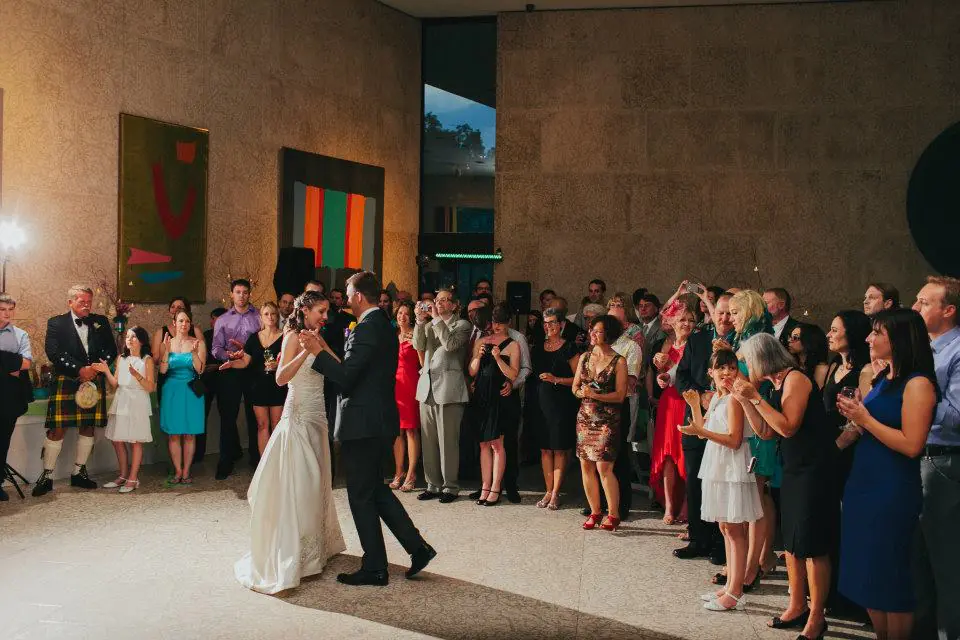
Today, most of the socials are held to raise money for newlyweds. In many instances, the dance and social replace the formerly traditional dance and celebration that followed the wedding. In this manner, the couple requires less money to hold a wedding, while still being able to enjoy a gathering of friends and relatives. It truly is a “social” province!