
The story of Chief Peguis and the Peguis First Nation reservation is encapsulated in the tract: Oshki-ishkonigan, meaning “New Settlement.” The current location of Peguis, after all, is a new settlement, created after Chief Peguis’ band first settled on a portion of very high quality arable land north of Selkirk. Then, when the white settlers realized how good the land was, the government arbitrarily took that land settlement from the tribe. The government relocated the people to an area of very poor land, well north of the original site. It was not the first Chief Peguis treaty.
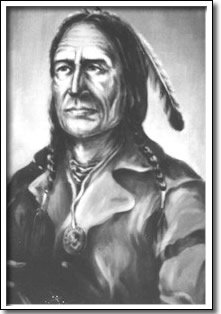
The Peguis reservation treaty actually did not involve the original Chief Peguis, but his son. The original Cheif Peguis treaty actually involved his negotiating a treaty on behalf of white settlers to the south of Manitoba.
A common refrain heard from people unfamiliar with First Nations people is that the bands agreed to the formation of the reserves. Second, people insist that they were given land more suitable to the hunting and fishing lifestyle they historically had lived.
Neither is true, in almost all instances of the signing of treaties from the 1880’s to 1910. Our Supreme Court ruled that the government did not sign the treaties in good faith. They further declare the white government or white settlers failed to follow the treaties. Treaty terms were misrepresented, yet the myths remain. Second, the land around the Forks, now Winnipeg, offered much better hunting, fishing and harvesting than any of the reserves that were established by the white government.
But the dishonest taking of the land around Selkirk from the Peguis band was only the second part of a disturbing story.
Chief Pequis, Treaty With Settlers
Chief Peguis and his people arrived from Sault Ste Marie area in the 1790s. They travelled nomadically, as the tribes of the era often did. When the white settlers arrived decades later, Peguis assisted them in any way he could. He guided them through agreements with the other First Nations and white settlers. He helped to settle conflicts in which the fur traders found themselves.
In 1817, he entered into land sharing agreements allowing white farmers to share or rent the land. At no point, did he enter his people into a sale agreement. The First Nations people of the era found the concept of owning land alien.
He sided with the white population during the Metis uprising, hoping to broker peace. But, as often happened, the white settlers and government reneged on the agreements. They forced Peguis’ people into the St Peters reserve north of Selkirk, then forced them to relocate to the central Interlake when the white immigrants wanted the land for themselves.
Like much of the story of the relationship between early settlers and the First Nations people, the bands sought cooperation and often assisted the new people to overcome the hardships of pioneer living but white settlers and government rewarded them with abuse and taking advantage of them.
In later years, even after being betrayed, Chief Peguis converted to Christianity, joining the Anglican church. He died in 1864, at the age of 90. This was just 6 years before Manitoba became a province of Canada, just 3 years before Canada became a nation. He is buried at St Peter’s Cemetery, north of Selkirk.
https://epe.lac-bac.gc.ca/100/205/301/ic/cdc/peguis/History.html?nodisclaimer=1
https://selkirkmuseum.ca/events/peguis-selkirk-treaty/#:~:text=Forgetting%20the%20Terms,secured%20ownership%20of%20the%20land