
Unlike the small towns and villages of Manitoba, the First Nations communities are both individual communities and part of a more monolithic culture, stretching back thousands of years. The First Nations history is a story of being a part of the world around them.
White society marginalized and supressed the indigenous people of the pariries for centuries. But the rest of Canada and the world are disovering these people of the prairies. They recognize them for their uniqueness and the wealth of history and practical knowledge they bring to our country.
My family grew up near a First Nations reservation. Many of the friends from my youth were from bands that had been herded, like cattle, into smaller and smaller parcels of land. The settler’s history of destruction of the First Nation’s way of life is no less shameful than that of the American treatment of “Indians,” if less violent.
First Nations History of Cooperation
Not long ago, the Supreme Court of Canada recognized the Metis of the prairies as a founding nation. This is one bright spot in an embarrassing saga. Metis are mixed race French (or Scottish/English) and aboriginal. That is testament to how white and non-white in western Canada managed to meld and live together.
Before any of us white descendants become smug, it was less our initiative and more the natives who were accepting of differences. Mostly, white men married or joined with native women. Mostly, convenience dictated inter-relationships, rather than a measure of equality.
Yet, while white settlers pushed westward, displacing “Indians” from their ancestral lands, those same indigenous people guided us. They kept us safe, showing us how to survive in a harsh new world.
The stories of John Ramsay (who lost his family to European smallpox but still devoted himself to helping the Icelanders in the province survive the harsh winters), or Chief Pequis (who led efforts to establish peaceful resolutions between whites and whites & non-whites, but was twice rewarded by being forced out of his own home parts of the province) are just a few of the poorly known examples of how these people sacrificed so much to help the settlers but were abused for their efforts.
First Nations History of Horticulture
The ability of the First Nations people to use every plant in nature for healing or health is an ongoing gift from them. We, only recently, learned to appreciate, for its insights, their historical connection to nature. This comes as we become aware of the damage we are doing to the environment.
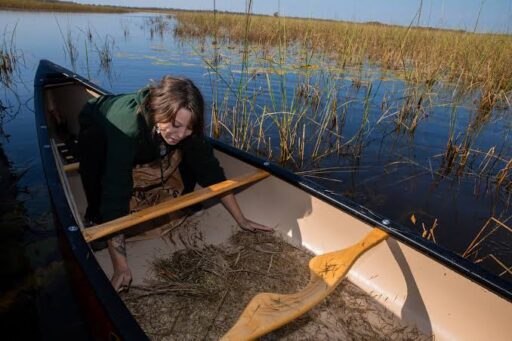
First Nations people did not willingly give up their claim to the land. It was, in many instances, white government stole it from them. Government officials badly and inaaccurately misrepresented the treaties’ content and intent. . The First Nations did not willingly choose the sites of their reservations. White government arbitrarily decided that. They also ensured that prime agricultural land was set aside for the white population. Simultaneousaly, they “granted” the native population small chunks of marginal land, in their own country.
Cooperation “Rewarded” With Betrayal
Throughout our western history since 1750, the natives have worked alongside the white settlers. They only rarely engaged in violence against the newcomers, unlike in the USA. There the native peoples were violently forced from their lands. The few times where violence erupted occurred when the white governments and settlers allowed no option, forcing the natives to respond. A truer portrayal of white abuse is needed. Before you react by suggesting it is more of the “Indian whining,” I am white, raised to believe that we were noble in our dealings with those already living here. We were not, but, almost without exception, the native ancestors of this country were.
https://youtu.be/J7giwjqEWgs?si=gXOfqgdPOeMkd2cb
Today, First Nations populations in Manitoba split between the reservation lands and the cities, with a resulting cultural divide.
This section of “Life in Manitoba” will explore each community, the First Nations history and the cultural uniqueness of Manitoba’s founding people. We invite your input, but there are stories that must be told, so that those of us willing to learn will come to appreciate, more fully, the unique contribution that First Nations people provide. White or non-white, long-time Canadian or new Canadian, we ask that you comment on your perceptions and provide your stories here.