Manitoba: Preparing for Winter—In the City, In the Country
While most of the world transitions from one season to the next with little forethought or fanfare, Manitoba approaches the impending winter season uniquely. For us, it is an event. Some celebrate, some approach with trepidation. Yet we still plan and prepare for winter. We need to. Preparing for winter is a right of passage, like entering adulthood.
Some defy the inevitable, flouting the warning signs. Some retreat and escape. Others hibernate. Aversion and avoidance work for them, while the rebels embrace the challenge of surviving Manitoba harsh winter months.
But the real fissure in how we prepare for winter is accentuated in the way that rural folk ready themselves versus city folk. It is a fissure between necessity and adventure.
Preparing for Winter in the Country
There are all-encompassing issues that country residents face in preparation for winter’s arrival.
We ready the farmyard, ensuring we have access to everything we need in winter (including firewood) while stowing unneeded stuff safely. We make sure driveways are clear of obstacles, extension power cords work, our generator is ready and vehicles are winterized.
We stock up on food, including any garden crops and butchered animals. We ensure that our well water lines will not freeze.
Windows are sealed and insulation upgraded in preparation for winter cold. We liaise with neighbours, to look after them while they look out for us.
We make sure we have proper winter clothing and lots of blankets ready. That includes blankets – tarps – for our vulnerable machinery. We set up warm and sheltered areas for our livestock, including loafing pens for the spring calving season.
And we look forward to spring and the usual spring runoff or flooding. Because winter can end as quickly as it arrives. We survive.
Preparing for Winter in the City
The city prepares for winter differently in Manitoba.
We make sure our car is ready. Usually, that means snow or winter tires, and checking to make sure our block heater plugs work.
We plan our leisure. We arrange get-togethers, schedule dances and potlucks, visit out-of-town people early in November and lay out our radically different winter wardrobe. We anticipate entertainment like bars and movie theatres.
Of course, we gather up and shelter our patio furniture, sometimes actually putting our barbeque away. But others are diehards, refusing to relinquish the BBQ even in February.
And we lovingly cover our vulnerable and delicate plants and shrubs.
For city folk in Manitoba, preparing for winter means doing a little less outdoors but not preparing like we are under attack. It is as if we live, protected, inside the fort while the savage marauders of winter are outside.
Shopping in the Country vs. City
Most parts of the world prepare for weather threats. But Manitobans have a somewhat unique take on that practice, preparing for winter threats. Country folk prepare differently than city folk.
Our threats are two-fold. Blizzards and extreme, prolonged cold. In Manitoba, we all know what a polar vortex is. We are on the vanguard as it approaches North America from the North. It means days or weeks of temperatures below Minus 30. And that demands readiness. Blizzards are particularly ferocious because they often precede biting cold after wind-blown masses of dry snow cover us.
But we have days of warning for each. We shop like we will be trapped forever, because it often seems like we are. However, city people prepare for winter extremes differently than rural people. In the city, we make sure we have snacks and a good supply of foods, but we know that, within two days, we can go to the store. In remote rural areas, roads may be impassable for a week.
At the same time, we realize that inevitable inhospitable weather will arrive, and we are in a constant state of readiness in the country.
Rural Activities vs. City Activities
The Manitoba winter icons include curling rocks and hockey sticks. They epitomize our sporting activities. But just as prevalent are winter community dances, snow sculptures and winter festivals.
The Pas Trapper Festival includes events like 1,000-pound flour carries, snowshoe races and moose calling. But more unique used to be spouse-carrying contests, which still occur in more remote community events.
The Festival du Voyageur in St. Boniface occurs every year, celebrating our trapper and pioneer French origins, but includes numerous exquisite snow carvings.
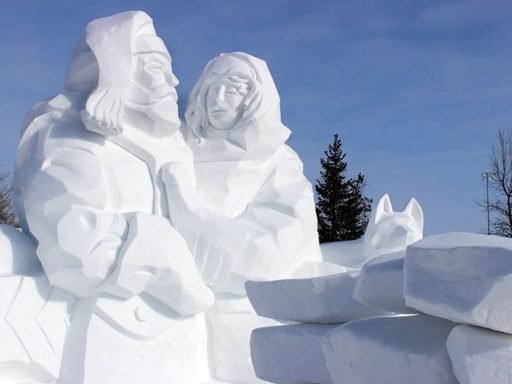
In Beausejour, the Canadian Power Toboggan (Snowmobile) Championships take over the town for two days, while regular and impromptu snowmobile poker derbies proliferate throughout Manitoba.
Ice fishing events occur every month of the winter, some with spectacular prizes.
These rural outdoor events mark Manitoba hardiness. We prepare for winter, but we prepare for fun, too.
However, Winnipeg celebrates winter, too, with regular visits to the Forks, Fort Whyte and local parks or trails.
Surviving Rurally vs Getting Enthused in the City
The way rural residents approach impending winter versus how urban people do is incongruous.
In the country, farmers and locals survive winter. Equipment often is “shedded” and all machinery (including vehicles) winterized. Small cars disappear and larger trucks and all wheel drive vehicles dominate. No one ventures on trips without planning. Not even a forty-kilometer trip to the city. Animals’ safety and well being become paramount, because they may be the farmer’s livelihood. Buildings receive a through going over in the autumn, to ensure they are ready for winter. Rural people are in survival mode.
In the city, outdoor enthusiasts wax their cross-country and downhill skis. They plan warm vacations and regular parties or gatherings. They put snow tires (sometimes) on their regular cars, compact to SUV. The malls see more focused activity while the theatres see many more movie-goers. They are enthused by winter activities, if not enthusiastic about winter itself.
Preparing for the Realities
The most salient features of Manitoba winters are, of course, extreme cold and blizzard conditions. While most of Manitoba does not receive the huge dumps of snow that Newfoundland/Labrador, the Maritime provinces or even Buffalo, New York, when we get snow, we usually get wind. With no mountains (we have hills that we call mountains!) to block the wind, and a weather expressway that allows cold to whip down from Siberia, our winter weather, when it is not frigid and sunny, is often windy and snowy.
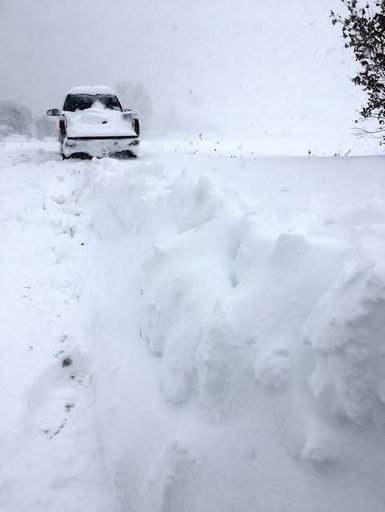
Snow that blows, cutting visibility to nothing. Snow that drifts, piling against buildings and leaving only a small concave to tempt us to venture outdoors. Snow that drives into us. With cold winds, blizzards often precede plummeting temperatures, with wind chills of minus 55 or lower. Look it up! Wind chills are real and dangerous. It’s a measure of how fast you will freeze if outside.
At least three to five times each winter, the TransCanada Highway closes because it is too dangerous to drive. Northern towns can close for days. But in Winnipeg, we are relatively sheltered. A vicious wind in the country may be a minor inconvenience in the city.
The Price of a Blizzard
The price of extreme cold and wind is complex. Wind chills can make car parts brittle, moisture freeze in the air in a second. Cold can snap power lines, while wind and snow can knock out transformer supplying electricity to thousands of homes. And that outage may last hours or days. You don’t worry about your food spoiling. You worry about your water lines freezing, so, in the city, we worry less, while in the country, we prepare.
On the flip side, school kids in the country joyously count on several snow days a year when it is too cold, too windy or too snowy to go to school. The poor city kids rarely get the day off because of weather.
Drivers and commuters, too, pay the price. If a highway is technically open, there may be patches where driving is dangerous. The Manitoba government posts a webpage specifically to address weather-related closures. https://www.manitoba511.ca/roadconditions?start=0&length=25&order%5Bi%5D=1&order%5Bdir%5D=asc
But the difference between the city and the country in dealing with winter weather is easy. In the city, bad weather means running 15 minutes late versus running five hours late in the rural communities. In the country, people hunker down during the bad weather. In the city, we go out less often, but gripe about having to clear our windshield when we leave the restaurant.
Battle of the Sexes, Preparing for a Manitoba Winter
Of course, a more complete analysis of the differences between how urban and rural Manitobans approach winter would be incomplete without addressing the differences between the sexes and ages. Universally, it seems, the more elderly one is, the more likely they are to prepare in advance for any eventuality. It’s not universal, but close to it.
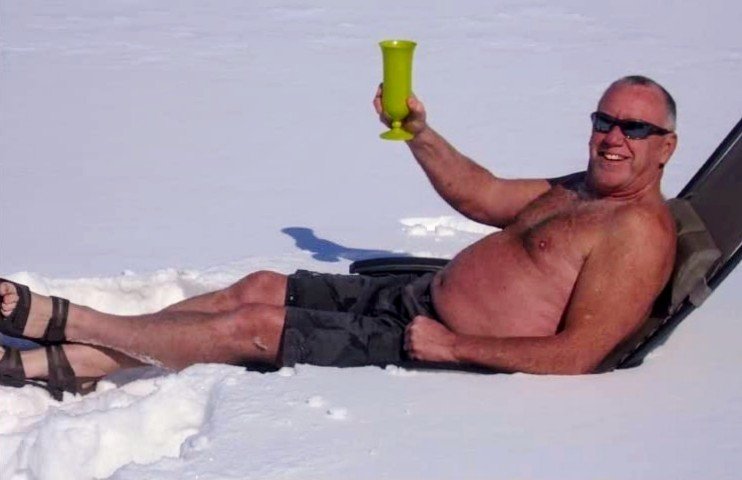
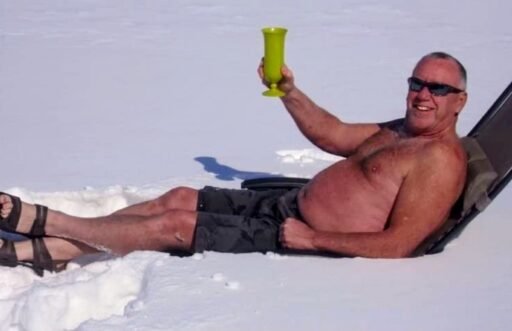
Take, for example, clothing. Young women often wear skirts (sometimes very short) and heels to outings and work. Safety is less important than appearance, even in minus 35 temperatures. Check out the memes on the internet regarding Canadian winters for proof. It is not a “one off.” It is commonplace. Even more commonplace is men of all ages wearing shorts in the dead of winter. It’s less common in the country than in the city, but you can find males in shorts year-round in Manitoba.
This speaks to a lack of preparedness, rather than preparing for winter in Manitoba.
But, in rural areas, men and women bundle in snowmobile suits, well-insulated handwear and good winter boots. Appearance is less important than not freeing your extremities. In the city, women wear fashions scarfs (many layers and often heated) but may forego bulky but warm parkas. Men often wear shirt-jacks, open light windbreakers and good-looking gloves. There is less risk of freezing when your nearest warm house is twenty meters away as opposed to two kilometers.
Always Be Prepared (for Winter’s Unpredictability)
In the country, drivers generally have a survival kit consisting at least of candles and warm blankets or extra coats, while the city people rely on their cell phones to call buddies to come help.
Logically, given the extreme nature of Manitoba weather, you might think that being ready and safe would be everyone’s priority, but, in Manitoba, we take pride in thumbing our noses at winter. After all, even in a blizzard with 90 kph winds, it’s a dry cold!