
Nature’s Manitoba Fall Feast
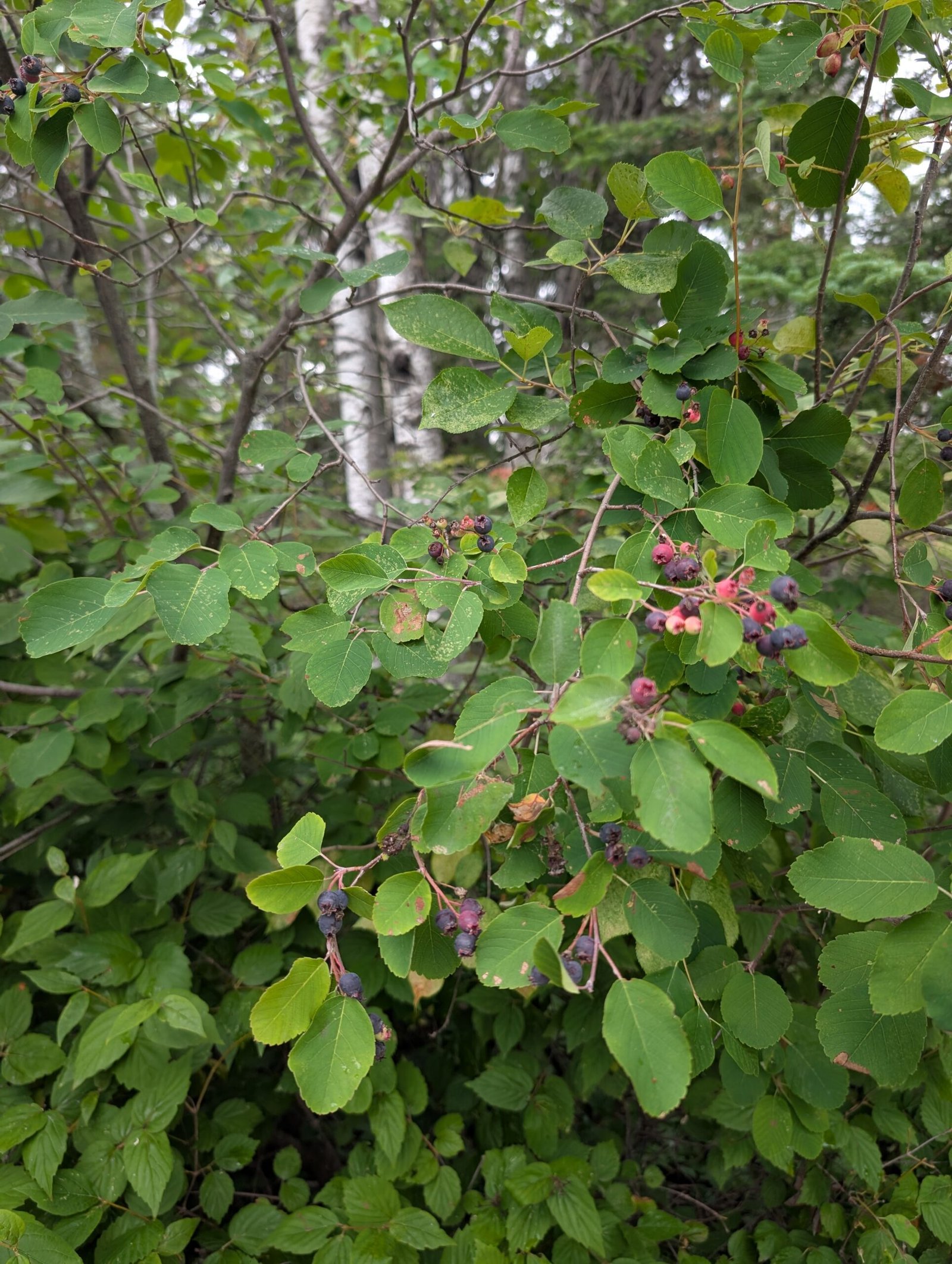
While Canadians traditionally celebrate our Thanksgiving in early October, most ignore the bounty available in nature from August to November. Indeed, a savvy Manitoban can live off what nature provides, year-round. That’s right. Even in our harsh winters! Nature provides a Manitoba Fall Feast of its own through Thanksgiving and beyond.
Most of what we harvest is plant-based. Mushrooms, fruits & berries, roots, leaves, seeds and flowers. But, for those who are not averse to hunting and fishing, both practices offer a plethora of year-round food sources.
Manitoba Fall Feast: Wildlife & Hunting
Manitoba sets strict seasons for many of our fauna. Some is indigenous, others recently migrated to the province.
Wild boar and wild turkey, for instance, now call many regions of our province home and, each year, their territory expands northward. Whereas wild turkey hunting requires a special licence, in a specific season, wild boar have no such protection. Hunters search them out throughout the year. They are designated as invasive species and subject to eradication. Yet, as dangerous as hunting them may be, they offer an excellent meat source.
We have seasons for bear, deer, elk, moose and caribou. Bear hunting occurs in spring and autumn. Muzzle-loading, archery and rifle seasons for deer occur in the autumn, as does moose and elk season. Both of the latter offer hunting permission by draw only.
More meat hunting opportunities arise with geese (snow and Canada), ducks, grouse, and an assortment of upland game birds or waterfowl and migratory birds.
Hunters can store their meat for extended, but limited periods of time, as can fishermen.
Smaller Animals Hunted All Year
A few small mammals are not so fortunate as to have hunting limitations. Rabbits and hares, for example are “fair game” all year. For those who can tolerate the small bounty, squirrels may be hunted all year, too. Porcupines and groundhogs have no protection from hunting either.
Most of the small game may be trapped or snared.
However, one of our most plentiful sources of meat can be harvested except for a very small breeding season in mid spring: fish. And one of our most popular sports is ice fishing. For those of you unfamiliar with the hobby, you are not catching ice. Rather, you cut a hole in the thick ice of rivers and lakes and catch fish when they are at their tastiest!
We are so proud of our abundance of wildlife and fish that many towns erect monuments to them. Riverton has a giant moose. Poplarfield a king buck. Selkirk has a giant catfish. Petersfield built a huge duck. Lundar owns a giant goose weathervane. Ashern boasts a huge sharp-tail grouse. For some reason, Komarno has a giant mosquito (supposedly life-sized) while Inwood has a massive coil of red-sided garter snakes. Glenboro’s camel and Boissevain’s turtle do not qualify.
Eat Your Veggies! Enjoy a Manitoba Fall Feast
Then there is our plethora of flora. Edible plants abound, with many available twelve months of the year. With so many edible plants, we would be unable to cover all of them in this article. A book available on Amazon titled, “Eating Wild” by Robert Lee, describes fifty of these edibles, along with recipes. Aside from a few four-season plants, we will focus on fungi. In Meleb, a statue of three types of edible mushrooms tells of the bounty in that area.
Mushrooms and fungi are our go-to harvest from August until October, with dozens of edible varieties, very few poisonous ones and several mildly toxic ones. The choicest varieties also are among the easiest to identify. This list excludes the spring mushroom, morels.
In early August, a wide variety of edibles arrive in fields, along streams, in the edges of forests and in our own back yards.
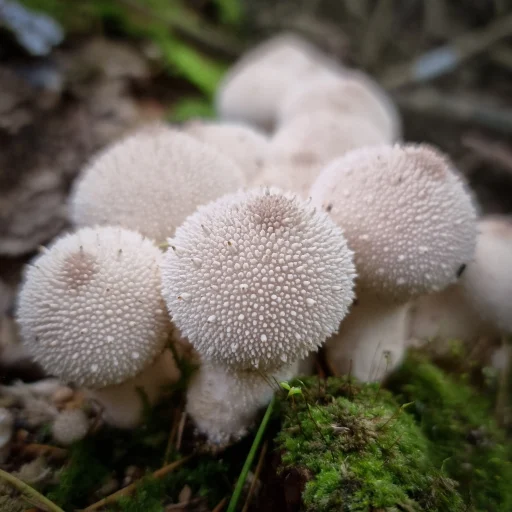
Puffballs often erupt in grassy fields with lots of leaf mold and humus in the soil. We have both giant puffballs (which love manure piles!) and the golf-ball-sized regular puffballs. These smaller ones, though, have a somewhat toxic look-alike.
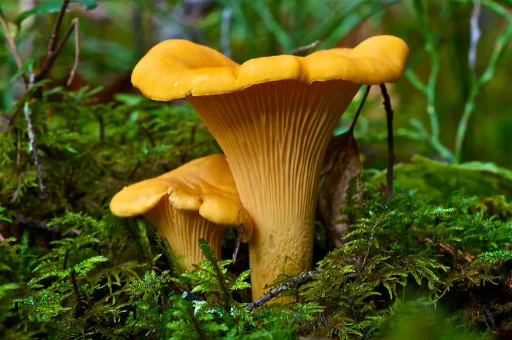
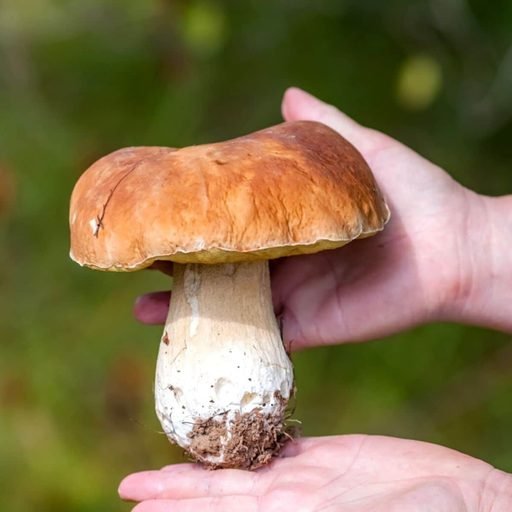
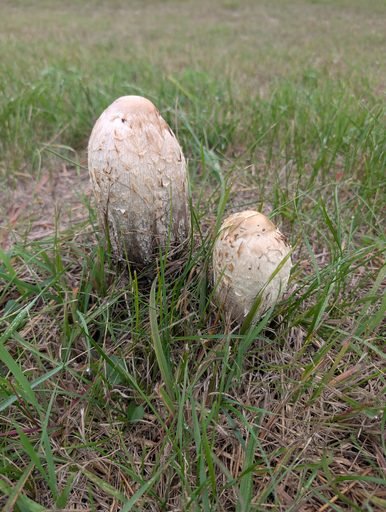
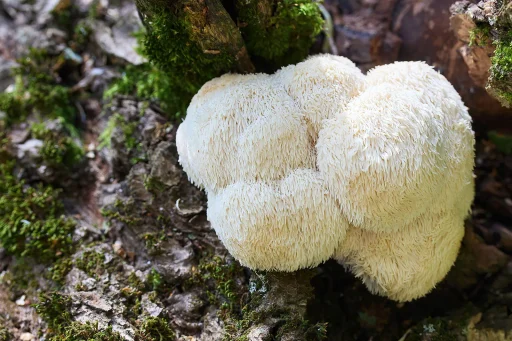
Following the puffballs, boletes and chanterelles brighten the fields an edges of bush lines. I have found shaggy mane mushrooms growing in gravelly ditches and along walkways as early as the end of July. They are a tasty treat, if picked at their peak. A similar name but an entirely different mushroom, the lions mane grows out of decaying stumps and wood.
Honey Mushrooms Lead The Way Into Early Autumn
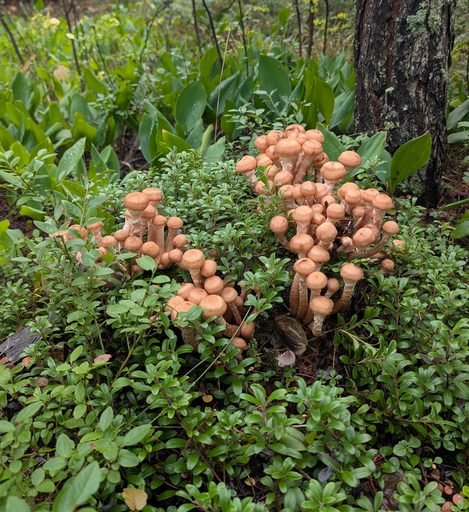
Also loving decaying wood is the honey mushroom, known as pidpenky by local Ukrainians. It loves rotted wood and grows in clumps sometimes numbering in the hundreds. If the right amount of rainfall occurs at the right time, they erupt in late August until late September.
Two poultry-named mushrooms love oak trees but result in entirely different appearances. One is a bright orange, the other almost grey. Both are common in October, with chicken of the woods arriving in September and hen of the woods lasting until November. The only year-round fungi in the province is the chaga. While listed as edible, it is almost tasteless and woody.
Continuing with odd naming, we also have both a lobster and oyster mushroom in the province. One grows on trees, one on the forest floor, but both are edible, with the lobster mushroom being prized.
So, we can feast on fungi until early December in Manitoba. It is a veritable manitoba fall feast of mushrooms. But a few plants invite us to enjoy them in every season.
Harvesting Summer Plants Year-Round
Need a winter source of minerals, antioxidants and Vitamin C? Steep a tea of pine, spruce or other coniferous needles. Need a headache or pain reliever? Strip the bark of willow or birch (even poplar) to get at the slightly slimy layer underneath and chew the bark. Of course, harvesting plants throughout the growing season and strong them provides full-year sustenance, if not bounty.
Burdock is one of the least sought-after, yet most beneficial plants to eat, even in winter. While roots tend to get tough after the plant has flowered, burdock grows to a good size and protrudes through the snow in winter. Using a hatchet around the base of the plant, you can harvest the nutritious roots in winter, eat the shoots in the spring.
Then there is old faithful: the cattail. In winter, use its smaller tubular roots like potatoes, digging them up like you do for burdock. In the spring, harvest the shoots. In autumn and winter, use the cattail fluffy seed pockets for fire starter and even insulation.
In marginal soils along walkways, common plantain hides itself under the snow, but a determined harvester knows where to look in the shallow layer of white and harvests the tiny seed stems, using them in soups as a thickener.
Buffalo berries, sea buckthorn, mountain ash and highbush cranberries remain on the branches of their bushes well into winter. Frost neutralizes the negatives of these berries, making them very edible. Often, though, you will compete with birds and small animals for these desserts.
From meat to mushrooms, Manitoba autumns offer bounty but even provide a good diet for a pioneering soul. With ingenuity, you can even enjoy a healthy winter diet, completely on wild-harvested crops.